
September 10, 2025
Do you live in a compact apartment, a studio flat, or a home where space always feels limited? You’re not alone. With urban living on the rise, many homeowners face the challenge of making small spaces look bigger, brighter, and more functional.
The good news? With the right home design hacks, you can transform even the tiniest rooms into stylish, spacious-looking havens. In this blog, we’ll uncover 10 little-known but highly effective tricks that interior designers and architects use to make small homes feel huge.
1. Create Visual Continuity with Consistent Flooring
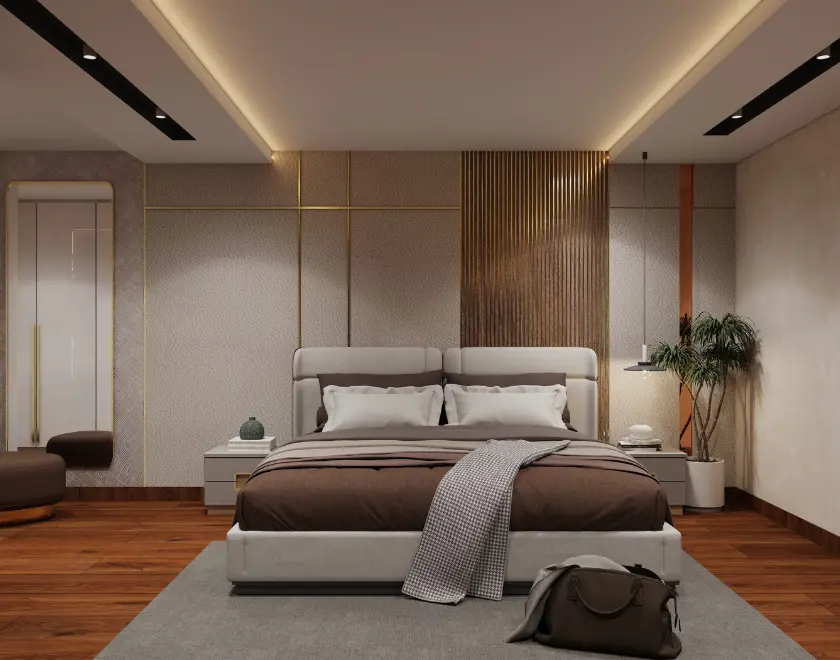
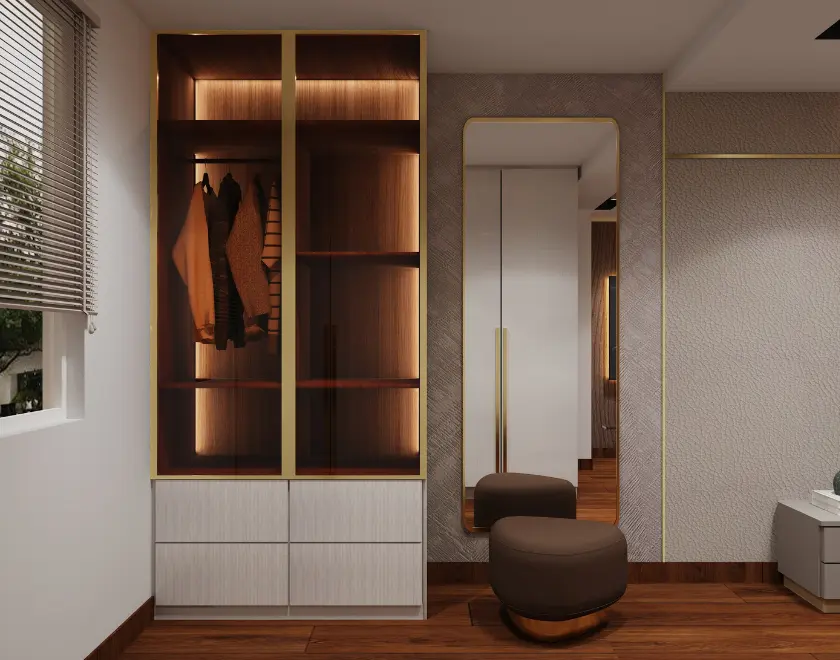
One of the most overlooked secrets to expanding small spaces is using the same flooring material throughout your home. When your eye travels seamlessly from room to room without interruption, it creates an illusion of continuous space.
Choose light-colored hardwood, luxury vinyl plank, or large-format tiles that extend from your living area into bedrooms and even bathrooms where possible. This unbroken visual flow eliminates the choppy feeling that comes with multiple flooring transitions, making your entire home feel like one expansive area rather than a collection of small rooms.
2. Paint Your Ceiling the Same Color as Your Walls
This unconventional trick works like magic. When ceilings and walls share the same light hue, the boundaries between horizontal and vertical planes blur, creating an envelope of continuous color that visually expands the room in all directions.
Opt for soft whites, pale grays, or gentle pastels. The technique works particularly well in bedrooms and living areas where you want to create a cozy yet spacious atmosphere. Avoid stark white ceilings with colored walls, as this creates a visual “lid” that emphasizes the room’s limitations.
3. Float Your Furniture Away from Walls
Contrary to popular belief, pushing all furniture against walls doesn’t maximize space – it actually makes rooms feel cramped and awkward. Instead, float your sofa 12-18 inches from the wall and create intimate conversation areas in the center of rooms.
This technique creates multiple pathways around furniture, making spaces feel larger and more dynamic. In small living rooms, try floating a sofa with a console table behind it, creating both seating and storage without touching any walls.
4. Use Oversized Art Instead of Gallery Walls
While gallery walls are trendy, they can make small spaces feel cluttered and busy. Instead, choose one large piece of art that commands attention and creates a bold focal point. A single oversized artwork draws the eye upward and outward, creating the illusion of expanded wall space.
Choose pieces that are at least two-thirds the width of your furniture piece below it. Abstract art with light colors and flowing lines works particularly well for enhancing the sense of spaciousness.
5. Install Floor-to-Ceiling Window Treatments
Hanging curtains at ceiling height rather than just above the window frame creates dramatic vertical lines that make ceilings appear higher and windows larger. Choose light-colored panels that extend slightly beyond the window frame on each side.
For maximum impact, select curtains in the same color family as your walls. When closed, they’ll blend seamlessly with the wall color, and when open, they’ll frame your windows beautifully while maintaining the illusion of height.
6. Embrace Transparent and Reflective Surfaces
Incorporate furniture and decor made from glass, acrylic, or lucite to maintain visual lightness. A glass coffee table, acrylic dining chairs, or a lucite console table provide functionality without visual weight, allowing sight lines to flow uninterrupted through your space.
Combine these with strategically placed mirrors to bounce light around the room and create the illusion of depth. Position mirrors across from windows to double your natural light and create virtual windows where none exist.
7. Choose Multi-Level Lighting Over Single Overhead Fixtures
Relying solely on overhead lighting creates harsh shadows and emphasizes a room’s boundaries. Instead, layer your lighting with table lamps, floor lamps, wall sconces, and LED strip lights at different heights.
This multi-level approach creates pools of light that draw attention to various areas of the room, making it feel larger and more interesting. Warm LED bulbs (2700K-3000K) create a welcoming atmosphere while maintaining the spacious feeling.
8. Create Zones with Area Rugs Instead of Walls
In studio apartments or open-plan spaces, use area rugs to define different functional zones without the visual weight of walls or room dividers. A rug under your dining table, another under your seating area, and a runner in your entryway create distinct spaces while maintaining flow.
Choose rugs in similar color palettes but varying textures or patterns. This creates subtle definition while keeping the overall space feeling cohesive and open.
9. Install Built-In Storage Solutions
Custom built-ins utilize every inch of available space while providing clean, streamlined storage. Built-in bookcases, window seats with storage, or entertainment centers eliminate the visual clutter of freestanding furniture pieces.
Paint built-ins the same color as your walls to make them disappear visually while providing essential storage. This technique is particularly effective around windows, in alcoves, or in awkward corners that might otherwise go unused.
10. Use the "Rule of Odd Numbers" with Accessories
When styling shelves, coffee tables, or mantels, group accessories in odd numbers (3, 5, or 7 items) and vary their heights. This creates visual interest without clutter and helps the eye move smoothly through the space.
Choose accessories in a cohesive color palette with varying textures – perhaps a mix of ceramics, natural wood, and metallic finishes. This approach creates sophisticated styling that enhances rather than overwhelms your small space.
Conclusion
Transforming a small space doesn’t require a complete renovation or expensive furniture. These 10 design hacks work by manipulating visual perception, creating flow, and maximizing both natural and artificial light. The key is to think beyond square footage and focus on how design elements can work together to create the illusion of spaciousness.
Remember, the most effective small-space design combines several of these techniques rather than relying on just one. Start with the hacks that appeal most to you and your lifestyle, then gradually incorporate others as you refine your space.
With these professional design secrets, your small home can feel every bit as spacious and stylish as much larger spaces. The magic lies not in the size of your rooms, but in how thoughtfully you design them.
Ready to transform your small space? At Enclavar, we specialize in maximizing the potential of compact homes through thoughtful design and innovative solutions. Contact us today to discover how we can help make your small space feel infinitely larger.
Frequently Asked Questions(FAQs)
- Will using dark colors always make a small space feel smaller? Not necessarily. While light colors generally make spaces feel larger, you can use dark colors strategically as accent walls or in rooms with plenty of natural light to create depth and sophistication.
- How much should I budget for implementing these design hacks? Many of these tips require minimal investment. Painting walls and ceilings, rearranging furniture, and changing window treatments can cost under $500, while built-ins and major lighting changes may require a larger budget.
- Which hack provides the biggest impact for the least cost? Painting your ceiling the same color as your walls and floating furniture away from walls are two of the most impactful and budget-friendly changes you can make immediately.
- Can I use these techniques in rental properties? Absolutely! Most of these hacks are renter-friendly. Focus on furniture arrangement, lighting, rugs, curtains, and removable elements. Always check with your landlord before painting or making permanent changes.
- How do I choose the right mirror size and placement for maximum impact? Choose mirrors that are proportional to your wall space – typically at least 24 inches in one dimension. Place them across from windows to reflect natural light, or position them to reflect your most attractive room features, avoiding direct reflection of clutter or unattractive areas.